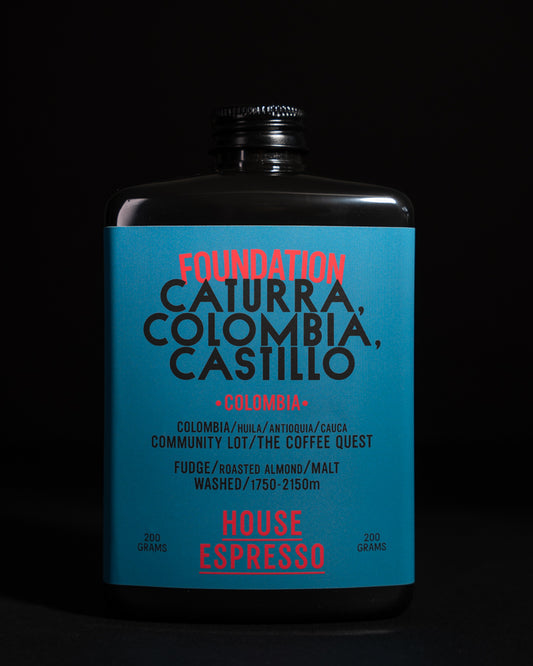
Washed
What is the Washed Process?
In the Washed (or wet) process, the focus turns entirely to the bean itself. Unlike natural coffees that dry inside the fruit, this method strips away the skin and pulp before the drying stage even begins.
First, the freshly harvested coffee cherries pass through a de-pulper to mechanically remove the outer skin. The seeds, still coated in a sticky layer of mucilage, are then transferred into fermentation tanks. Here, naturally occurring enzymes break down the sugars over several hours. Once fermentation hits the perfect mark, the beans are thoroughly washed with clean water and moved to raised beds or patios to dry under the sun. This traditional, meticulous method is highly favored for removing any external flavor interference from the fruit.
What to Expect in Your Cup?
When you brew a washed processed coffee, you are experiencing the absolute blueprint of the bean. Because the fruit is removed immediately, the final cup is incredibly clean, crisp, and high-acid. Without the heavy, fermenty sugars of the natural process, washed coffees display a lighter body and a refined transparency. This makes it the preferred method for showcasing the pure, unaltered genetic flavor profile and the exact terroir where the coffee was grown. If you love bright citrus, delicate florals, and a sparkling finish, washed coffees are your playground.
Challenges at the Farm?
While the washed process yields highly uniform and consistent results, it places a heavy demand on farm infrastructure. It requires a tremendous amount of clean, fresh running water, making wastewater management a critical environmental concern for producers. Furthermore, timing the fermentation stage is an exact science—under-fermentation leaves the sticky mucilage intact, while over-fermentation can completely spoil the batch with sour, vinegar-like notes. It demands flawless calibration from start to finish.